Act I / Signal
A promptcan answer.A systemcan operate.
EAIS engineers the layer between model capability and real business work—connecting agents, data, workflows, code and human approval.

Systems atlas / method plates
A system must be legible before it can be automated.
Engineering begins by making inputs, layers, decisions and handoffs visible. These are not decorative images—they are the working evidence behind the operating architecture.
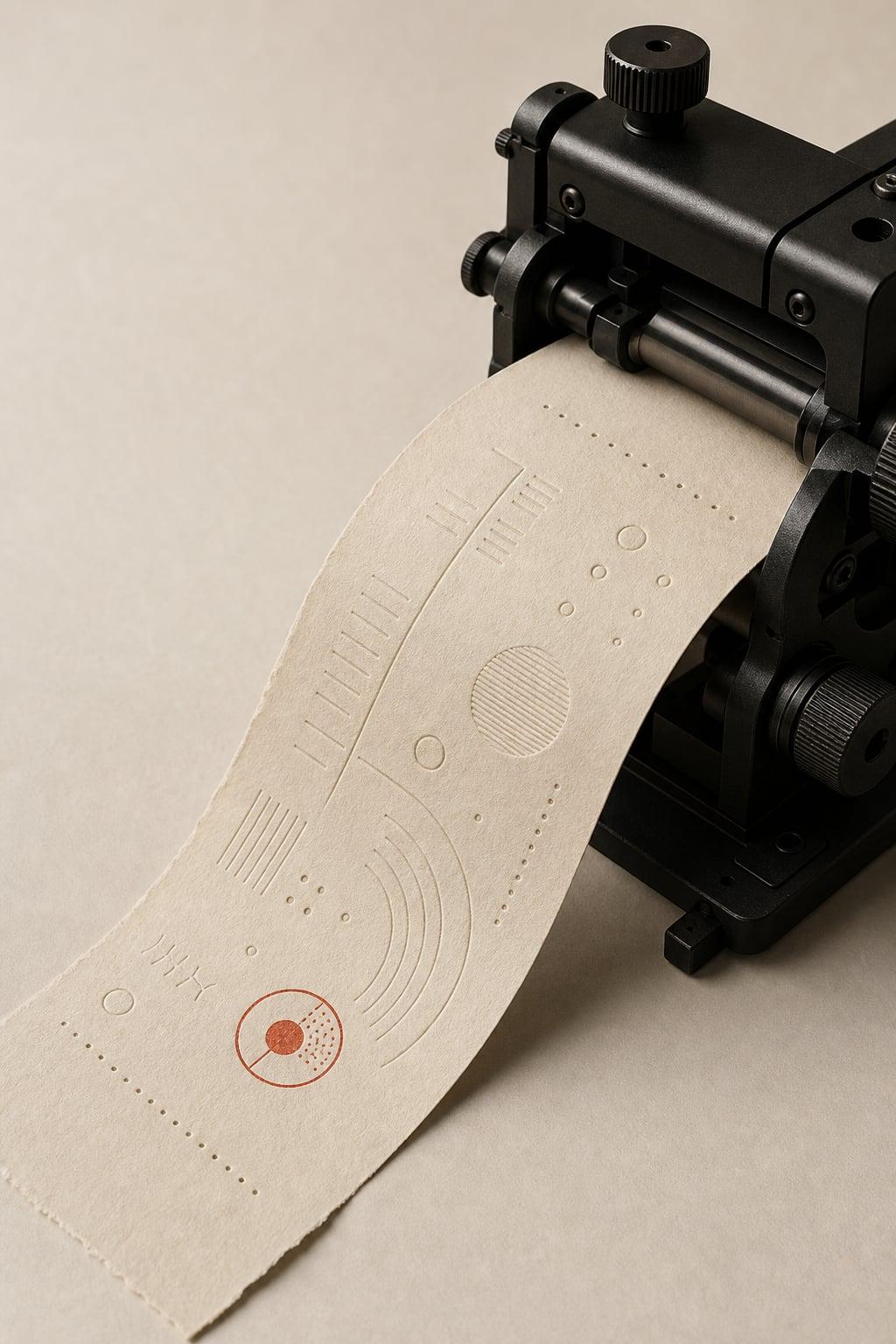
Capture
Record the signal before it becomes a workflow.
A system starts with a legible trace: the incoming material, its origin and the state changes that follow.
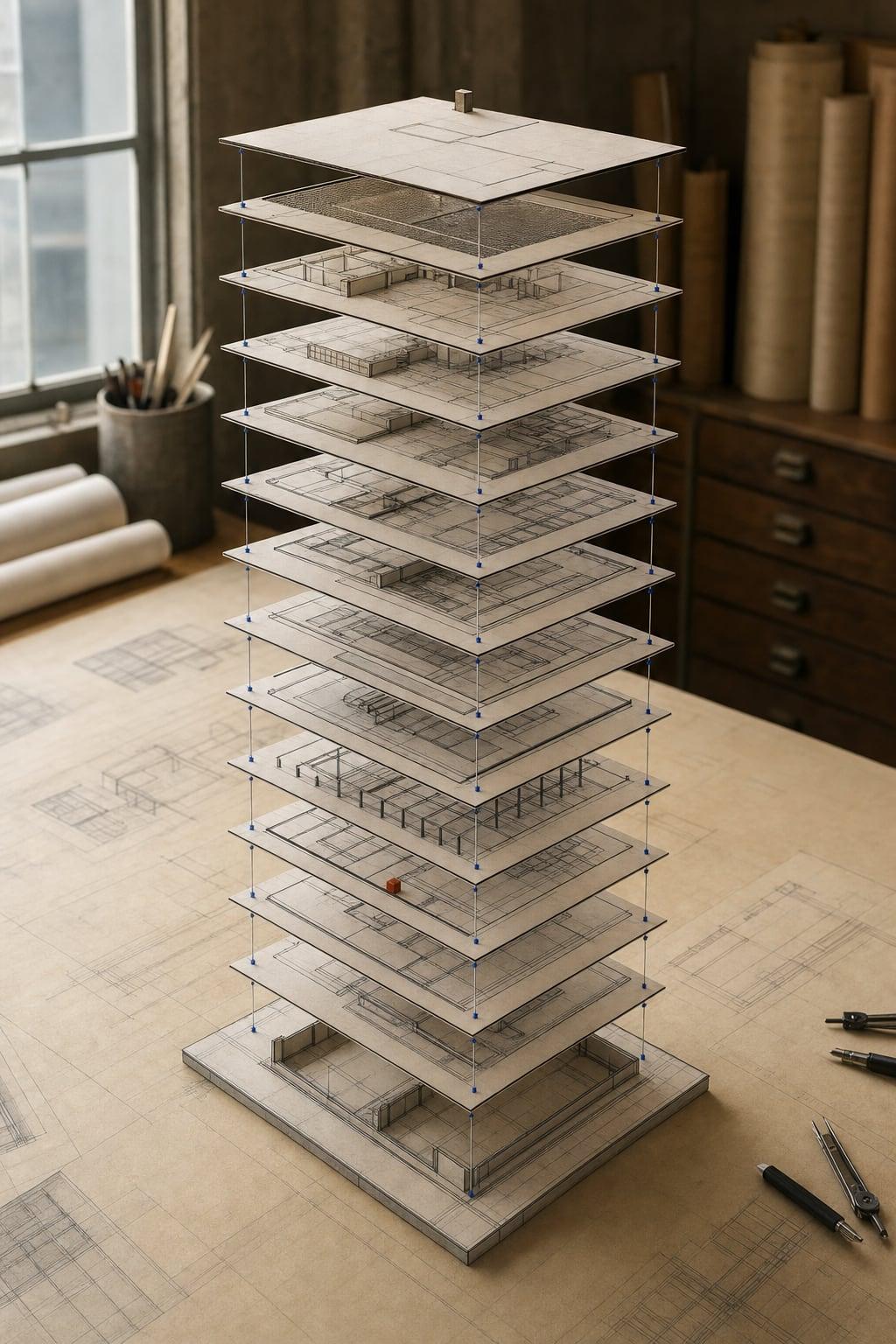
Separate
Make every layer inspectable.
Process, data, logic, integrations and controls have different jobs. The architecture should make those boundaries visible.
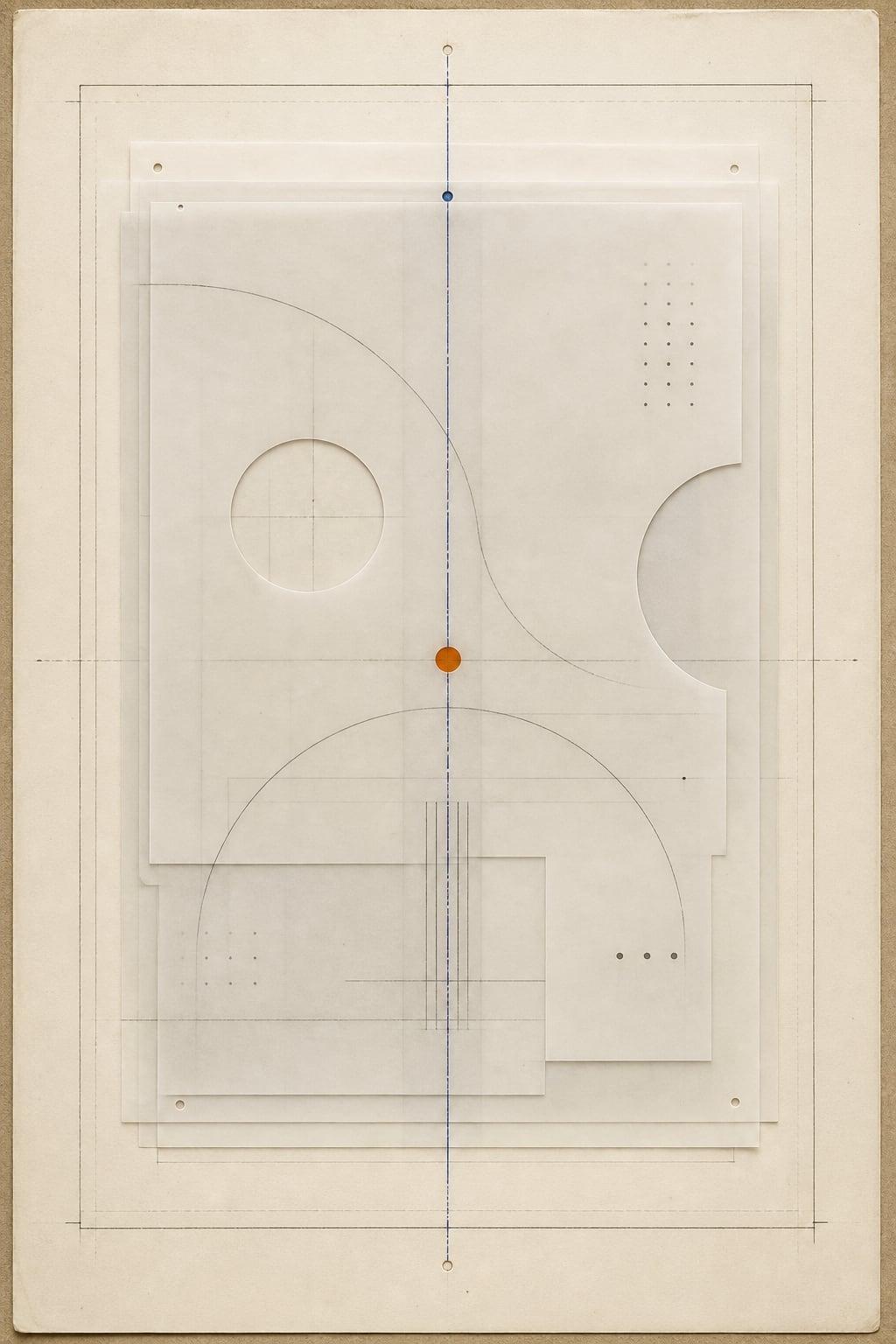
Map
Give the system a shared coordinate.
A clear reference makes ownership, dependencies and approval points reviewable before they become operational risk.
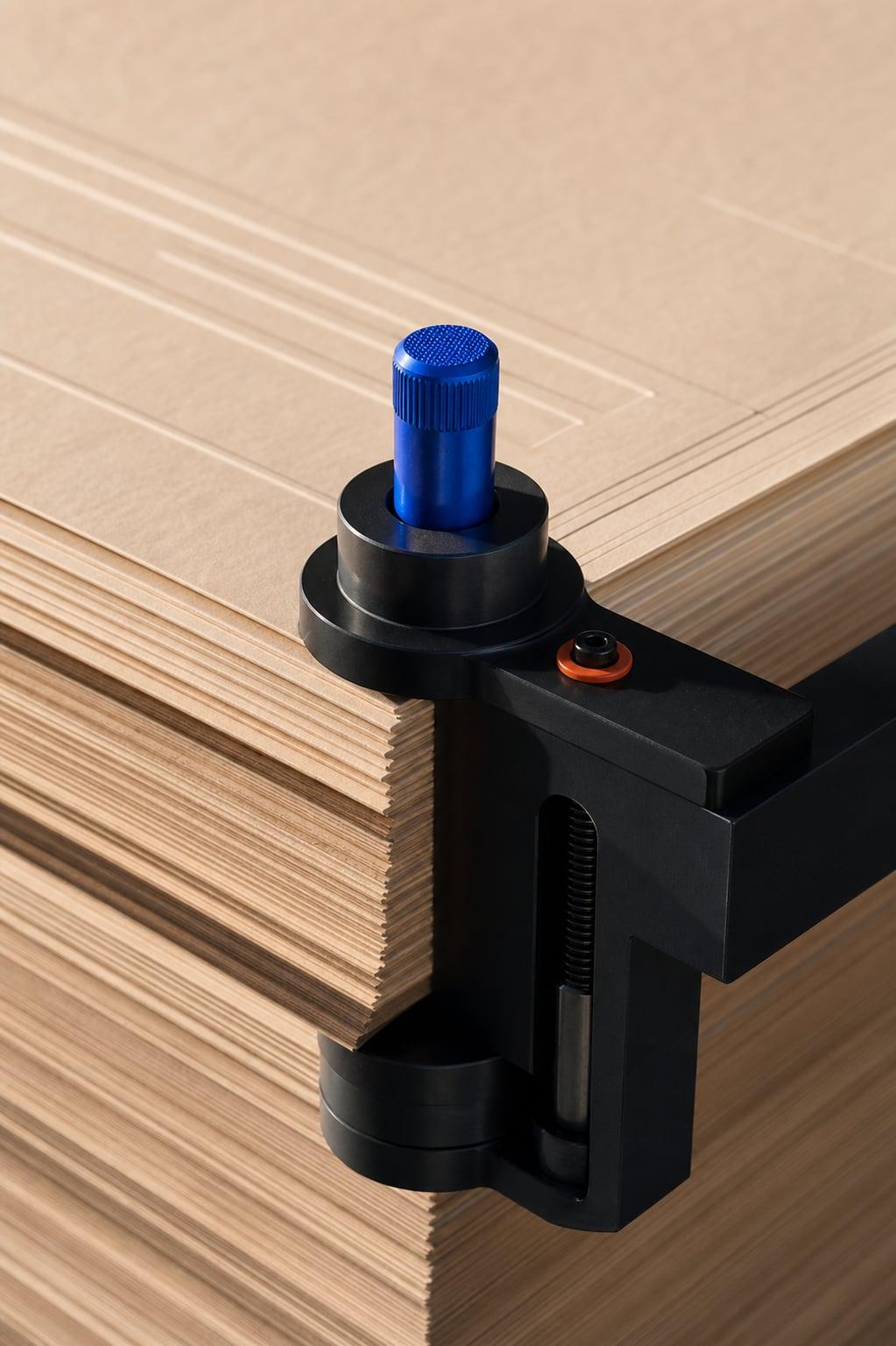
Register
Align decisions to one accountable record.
A controlled system does not rely on scattered memory. Its inputs, versions and decisions resolve into one reference point.
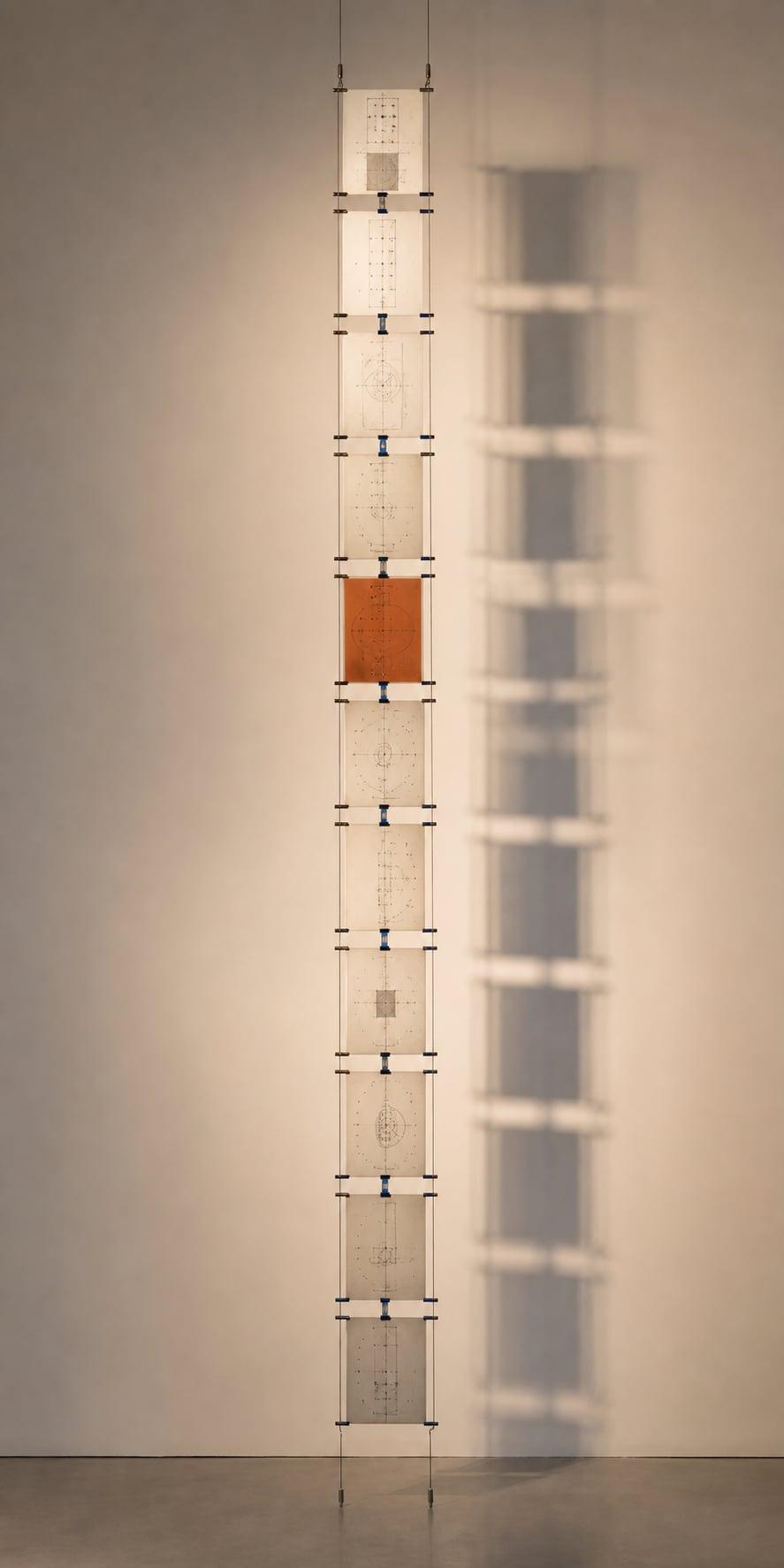
Deploy
Keep the architecture clear at every scale.
The same operating logic has to remain readable when the route becomes a long mobile sequence, not just a desktop diagram.
Capability alone does not create an operation.
Useful models and automations still fail when process, ownership, boundaries and evidence are missing. The problem is not access to AI. It is the gap around it.

EAIS engineers the integration layer.
Process, data, agents, tools and human control—designed as one accountable operating path.

Twelve layers. One accountable flow.
The model is one layer. Data, rules, tools, validation, people and infrastructure complete the system. Every stage has a job and every consequential action has a boundary.

The proof is in the operating discipline.
No invented dashboards or borrowed outcomes. The system proves itself through versioned logic, limited access, validation, approval, monitoring, backup, rollback and documentation. Run a real trace below.

Choose a real input type. Use Previous and Continue, or the arrow keys while the trace panel is focused. Enter opens the active record; Escape returns to the layer index. No timer advances this trace.
Select Document, Message, Product data, or Technical signal to register a trace.
AI should become part of the process—not another tab beside it.
One engineering method can be configured around different inputs and decisions without pretending that every business needs the same automation.


Act VII / Decision
Start with one real process.
The AI Systems Audit maps the process, data, integrations, risks and approval points—then turns them into an opportunity map, recommended architecture and 30/60/90-day roadmap.